Home Window Tinting: Save Energy and Privacy
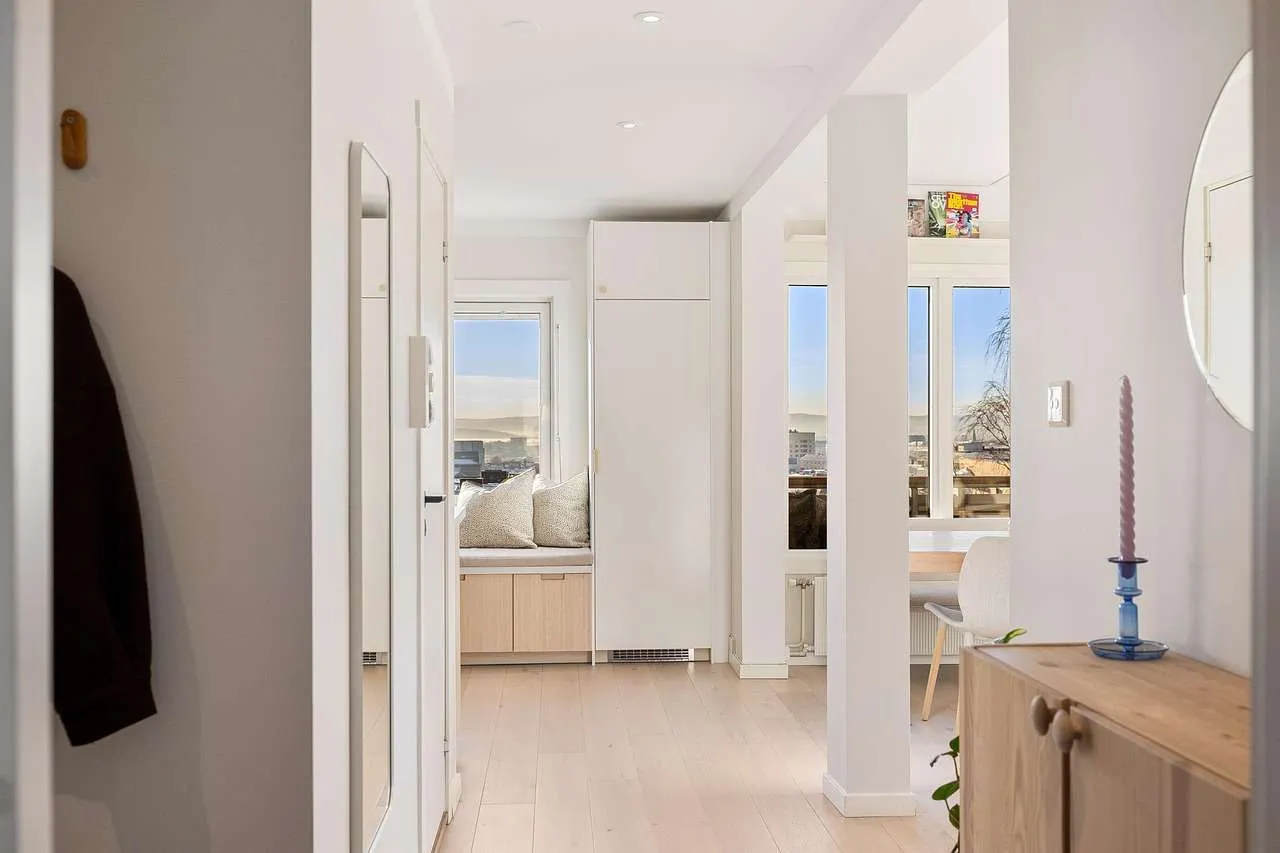
Home window tinting is a popular upgrade for modern houses, offering a blend of comfort, energy efficiency, and interior protection. A high-quality residential window film can cut heat, reduce glare, block harmful UV rays, and add a layer of safety without sacrificing view. This article explains what home window tinting is, the benefits, how films differ, and practical steps to choose and maintain the right solution for your home. It also covers professional installation and how to evaluate ROI while aligning with local regulations to protect your EEAT standards.
What is Home Window Tinting?
Home window tinting refers to applying a thin film to the interior surface of glass to filter sunlight and heat. The films attach with adhesives and come in various shades and performance levels. Unlike car tints, residential films are designed for long term durability, with UV blocking and thermal control while preserving visibility.
Benefits of Home Window Tinting
- Energy savings: by rejecting solar heat, air conditioning work decreases in summer and can improve comfort in winter when used on strategic panes.
- UV protection: most films block up to 99% of harmful ultraviolet rays, helping prevent fading of furniture and floors.
- Glare reduction: reduces screen glare on TVs and computers, improving comfort and productivity.
- Privacy and aesthetics: tinted glass offers daytime privacy without a heavy external look; many homeowners appreciate a uniform appearance.
- Safety and security: some films hold glass together if shattered, reducing risk of injury during storms or break-ins.
- Protection of interiors: less fading, better climate control, and potential increase in home value.
Film Types and How They Work
Window films come in several families, each with trade offs. Choosing the right film depends on climate, home orientation, budget, and whether signal transmission (cell phones and Wi-Fi) matters.
Dyed Films
Dyed films add color and reduce glare. They are typically the most affordable option and offer good privacy. However, they may fade over time, are less durable, and offer moderate heat rejection compared with advanced films.
Metalized Films
Metalized or metallic films reflect infrared heat, providing strong heat rejection and a bright, reflective appearance. They can interfere with GPS, cell signals, or Wi-Fi in some homes and may be less ideal where signal strength matters, though modern low-metal formulas mitigate some issues. They tend to be more durable than dyed films.
Ceramic Films
Ceramic films use non-conductive particles to reject heat while maintaining clarity. They offer the best balance of glare control, UV protection, and signal friendliness, with excellent durability, but at a higher upfront cost.
Hybrid Films
Hybrid films combine dyed and ceramic particles to deliver good value: solid UV protection, decent heat rejection, and smoother aesthetics with less risk of signal interference compared to metalized options.
Safety, Regulations, and Quality
Local tint laws govern allowable visible light transmission (VLT) on different panes. Always check city or state codes before selecting a shade. For safety, consider security films designed to hold shards in place and protect occupants. A reputable installer will also explain warranty coverage, brand certifications, and expected performance.
Installation Options and Choosing a Professional
While ambitious homeowners may attempt DIY tinting, professional installation ensures proper adhesion, edge sealing, and warranty validity. Professionals typically measure glass, select the right film for each pane, and handle curvature with precision. When evaluating installers, look for:
- Licensed, insured contractors
- Portfolio and customer testimonials
- Manufacturer certification and product warranties
- Clear installation timelines and post-install care instructions
Maintenance, Longevity, and Return on Investment
Maintenance is simple: clean with non-abrasive solutions and soft cloth, avoid ammonia-based cleaners that can degrade some films, and follow curing times after installation. Quality films often carry warranties of 10–15 years depending on climate and sun exposure. Energy savings can reduce cooling costs and improve comfort, boosting the property value over time.
Cost Considerations and ROI
Costs vary by film type, window size, and labor. A premium ceramic film will cost more upfront but typically yields higher heat rejection and UV protection, potentially delivering a faster payback through energy savings and furniture protection. A professional assessment provides a tailored ROI forecast considering local electricity rates, window orientation, and existing insulation.
Comparison Table of Common Home Window Tinting Films
| Film Type | UV Rejection | VLT Range | Heat Rejection | Privacy | Durability | Typical Cost | Pros/Cons |
|---|---|---|---|---|---|---|---|
| Dyed Film | Up to 99% | 35–70% | Moderate | Medium | Moderate | Low | Affordable; fades over time; moderate heat control |
| Metalized Film | Up to 99% | 5–50% | High | High | High | Medium | Excellent heat rejection; potential signal interference |
| Ceramic Film | Up to 99.9% | 40–70% | Excellent | Medium–High | High | High | Best overall performance; most expensive |
| Hybrid Film | Up to 99% | 40–65% | High | Medium–High | High | Medium–High | Good balance of cost and performance |
Regular maintenance helps preserve clarity and adhesion. If you move houses or re-paint interiors, a professional can advise on removing or replacing films with minimal damage to the glass.
Summary: By understanding film types, staying compliant with local rules, and choosing a trusted installer, homeowners can enjoy long-term comfort, protection of interiors, and potential energy savings through home window tinting.